
Exteriors That Withstand Road and Weather
RV Detailing in Sparks for motorhomes and travel trailers facing oxidation, road film buildup, and roof membrane deterioration
RVs accumulate damage from continuous outdoor storage, highway travel through varying climates, and roof exposure to UV radiation that degrades rubber membranes and sealant joints. Large surface areas on motorhomes and trailers oxidize faster than passenger vehicles due to extended sun exposure, while road grime and diesel exhaust leave bonded contaminants on sidewalls and front caps. Nunez Xtreme provides RV detailing in Sparks and the surrounding region that addresses oxidation on fiberglass and aluminum surfaces, restores faded graphics and decals, cleans roof membranes without damaging protective coatings, and treats interior surfaces affected by temperature extremes and moisture intrusion.
The service covers exterior sidewalls, roof surfaces, slide-out seals, awning fabric, wheel wells, and undercarriage areas where road salt and debris collect. Northern Nevada's high desert climate combines intense UV exposure with temperature swings that stress RV exterior materials differently than coastal or humid regions. Detailing removes oxidation that makes surfaces feel rough and appear chalky, then applies protective layers that slow future degradation and make routine washing more effective.
Request an on-site evaluation at your storage location to assess exterior condition and identify areas requiring specialized treatment.
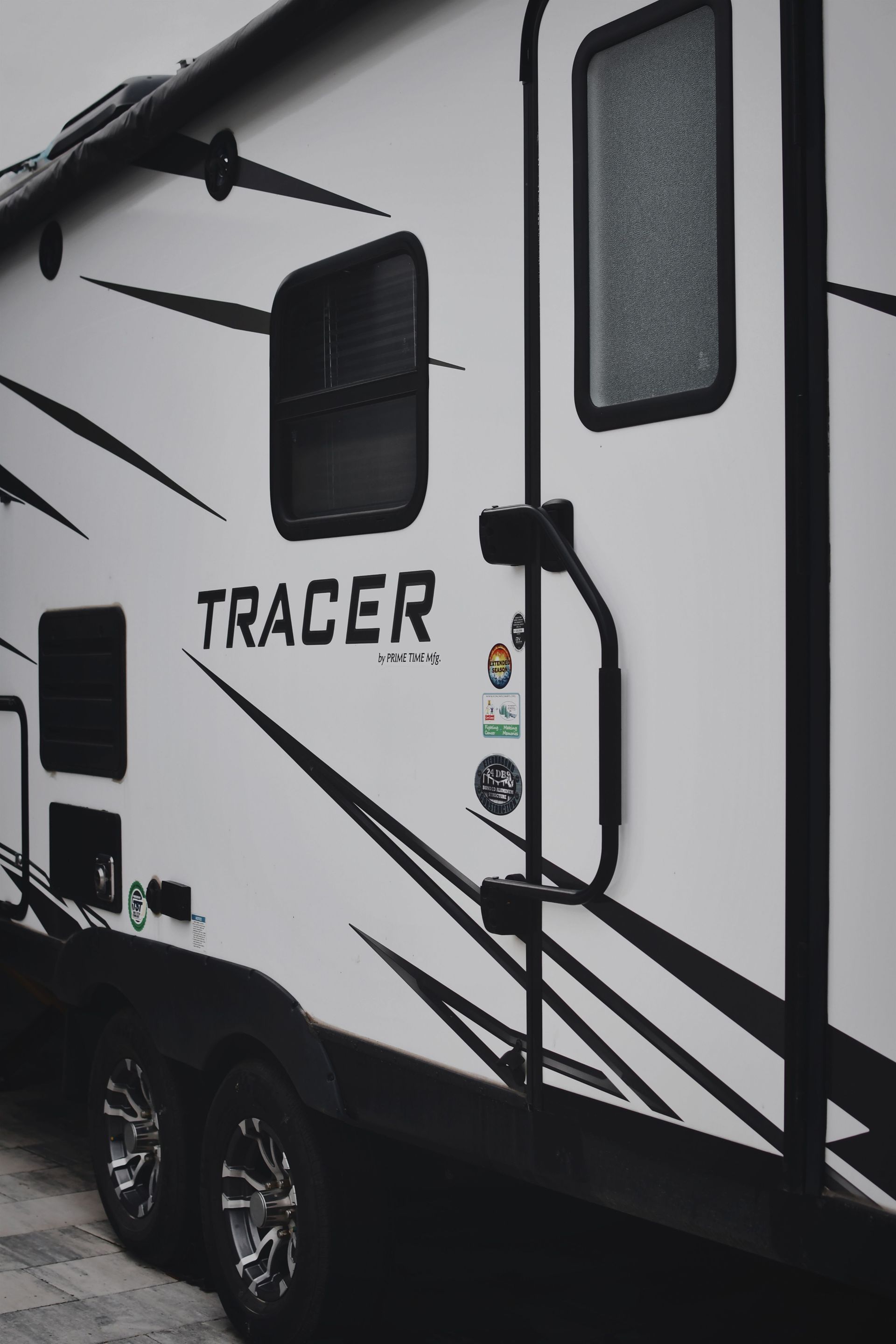
What Proper RV Detailing Requires
RV detailing involves sectional washing of large vertical surfaces using appropriate pressure and cleaning agents that remove road film without streaking or damaging graphics. Oxidation removal through wet sanding or compound polishing addresses severe chalking on fiberglass, while aluminum and painted surfaces receive polish treatments matched to their specific finish type. Roof cleaning uses membrane-safe products that remove algae, tree sap, and oxidation without compromising the waterproof layer, followed by UV protectant application that extends membrane life.
After detailing, sidewalls regain their original color and gloss rather than appearing dull or streaked, graphics and decals show restored vibrancy, and roof surfaces are clean without standing water or debris accumulation. Slide-out seals remain supple and seal properly rather than drying and cracking, awning fabric rolls smoothly without mildew staining, and windows provide clear visibility without hazing or mineral deposits.
Interior detailing addresses dashboard surfaces prone to UV cracking, upholstery and carpet exposed to dust and moisture, and cabinetry affected by temperature cycling during storage. The service includes inspection of exterior sealant condition around windows, vents, and access panels, since detailing often reveals cracked or missing sealant that should be repaired to prevent water intrusion. Detailing focuses on surface restoration and protection rather than mechanical systems or structural repairs.
Answers to Frequent Service Questions
RV owners in Sun Valley, Reno, and Sparks commonly ask about timing, process differences for various RV types, and maintenance between professional detailing sessions.
Why does RV fiberglass oxidize faster than automotive paint?
RV fiberglass uses gel coat rather than automotive paint systems, and gel coat lacks the UV inhibitors found in modern car clear coats. The large vertical surface area on RVs also means more total sun exposure per vehicle, and many RVs are stored outdoors year-round rather than garaged, accelerating oxidation compared to passenger vehicles.
How is roof membrane cleaning different from standard RV washing?
Roof membranes are typically EPDM rubber or TPO material that can be damaged by harsh chemicals, high-pressure washing, or abrasive scrubbing. Proper roof detailing uses membrane-specific cleaners applied at low pressure, with soft brushes to remove contaminants without compromising the waterproof surface or loosening seams and sealant.
What happens during severe oxidation removal on RV sidewalls?
Heavy oxidation requires wet sanding with fine-grit abrasive pads or aggressive compounding to remove the degraded gel coat layer and expose fresh material underneath. This process restores gloss and color but removes a thin layer of gel coat, so it should only be performed when oxidation cannot be corrected through standard polishing.
When should RVs in northern Nevada be detailed for best results?
Detailing before summer travel season applies protective layers that shield against highway debris and UV exposure during peak use months. Post-season detailing before winter storage removes road contaminants and provides protection during temperature cycling, preventing damage from sitting outdoors through off-season months in the Sun Valley area.
How does detailing address black streak staining on RV sidewalls?
Black streaks form when dirt and pollutants mix with oxidized material washing down from the roof and upper sidewalls. Detailing removes these stains using specialized cleaners that break down the bonded residue, then treats the surfaces to slow future oxidation and reduce streak formation between washing intervals.
Nunez Xtreme works with RV owners throughout the region to schedule detailing around travel plans and storage transitions, providing mobile service to your location when needed. Schedule a comprehensive detailing session to restore your RV's exterior before your next trip or storage period.